Fireplaces and Great Room Design Essentials
- A fireplace is the ideal focal point: It creates warmth, ambiance, and a natural gathering spot, giving the great room a cohesive and inviting feel.
- Furniture arrangement is key: Use U-shaped or L-shaped layouts to foster conversation and connection while maintaining clear traffic flow.
- Balance aesthetics and functionality: Decide whether to mount the TV above the fireplace or place it on an adjacent wall, depending on your room’s needs.
- Choose a fireplace style that complements your home: Traditional, modern, or rustic designs can enhance the overall aesthetic of your great room.
The great room is the heart of a modern home. It’s a versatile, open-concept space where families gather, entertain guests, and simply live day-to-day. To make this multi-functional area feel both cohesive and inviting, it needs a strong anchor point. Nothing accomplishes this better than a well-designed fireplace. More than just a source of heat, a fireplace provides a natural focal point, infusing the great room with warmth, ambiance, and a sense of permanence.
Designing your great room around a fireplace allows you to create a space that is both aesthetically stunning and highly functional. It dictates furniture placement, influences the room’s mood, and serves as a central hub for social interaction. This guide will explore how to design the perfect great room with the fireplace as its celebrated centerpiece, covering layout, furniture arrangement, and style choices.
Why a Fireplace Makes the Ideal Focal Point
A focal point is the first thing that draws the eye when you enter a room. It’s the star of the show, and all other design elements should be arranged to support it. A fireplace is a natural choice for this role. Humans are inherently drawn to the warmth and flickering light of a fire, making it a powerful element for creating a comfortable and welcoming atmosphere.
By establishing the fireplace as the central feature, you give the great room a clear sense of purpose. It becomes the spot for cozy conversations, holiday gatherings, and quiet evenings. This intentional design choice prevents the space from feeling scattered or undefined, a common challenge in large, open-concept rooms.
Layout and Furniture Arrangement
Once you’ve decided the fireplace will be the anchor, the next step is to arrange the room around it. The goal is to create a layout that encourages conversation and connection while maintaining easy traffic flow.
Create a Primary Conversation Zone
Your main seating area should be oriented toward the fireplace. This doesn’t mean every piece of furniture must face it directly. Instead, think about creating a U-shape or an L-shape grouping that fosters interaction while still offering a view of the flames.
A classic and effective layout is to place a sofa directly facing the fireplace. You can then add two armchairs on either side, angled slightly inward to face the sofa. A large coffee table in the center completes the zone, providing a surface for drinks, books, and decor. This arrangement is perfect for facilitating conversation among family and guests.
Symmetrical vs. Asymmetrical Layouts
- Symmetrical Layout: This involves creating a mirror image on both sides of the fireplace. For example, you might have identical sofas or a matching pair of chairs and end tables flanking the hearth. This approach creates a sense of formality, order, and classic elegance. It works exceptionally well in traditional or transitional-style homes.
- Asymmetrical Layout: This design creates balance using different but visually weighted objects. For instance, you could place a large sofa on one side of the fireplace and two smaller armchairs with a table on the other. This approach tends to feel more casual, modern, and dynamic. It offers flexibility and can make a large room feel cozier.
Don’t Forget Traffic Flow
In a great room, people are constantly moving through the space. Ensure your furniture arrangement leaves clear pathways. A general rule of thumb is to allow at least 30-36 inches for major walkways. Be mindful not to block access to adjoining areas like the kitchen or dining room. The path from the entryway to the main seating area should be direct and unobstructed.
Balancing Aesthetics with Functionality
A great room has to work for everyday life, which often means incorporating a television. The “fireplace vs. TV” debate is a common design challenge. You want the fireplace to be the focal point, but you also need a comfortable spot for movie nights.
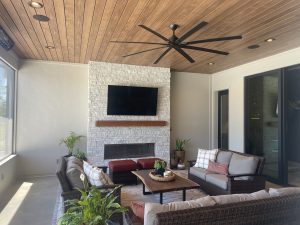
Mounting the TV Above the Fireplace
This is a very popular solution as it consolidates the two main focal points into one visual zone.
- Pros: It saves space and creates a single focal wall, simplifying furniture arrangement. Every seat with a view of the fireplace also has a view of the TV.
- Cons: The viewing angle can be uncomfortably high, potentially causing neck strain. The heat from the fireplace could also damage the electronics over time if not properly insulated. If you choose this option, ensure the mantel is deep enough to deflect heat or that a recess is built to protect the television.
Placing the TV on an Adjacent Wall
Another excellent option is to place the television on a wall perpendicular to the fireplace.
- Pros: This allows for a more ergonomic viewing height and keeps the fireplace as the primary aesthetic feature. You can create a secondary focal point with a media console under the TV.
- Cons: Furniture arrangement can be trickier. An L-shaped sectional is a great solution here, as it can address both the fireplace and the television simultaneously.
Choosing the Right Fireplace Style
The style of the fireplace itself should complement the overall aesthetic of your home. The surround, mantel, and hearth materials all contribute to its character.
- Traditional: A classic brick or stone surround with a substantial wood mantel creates a timeless and cozy feel. This style often features intricate molding and a raised hearth that provides extra seating. It’s perfect for colonial, farmhouse, or classic-style homes.
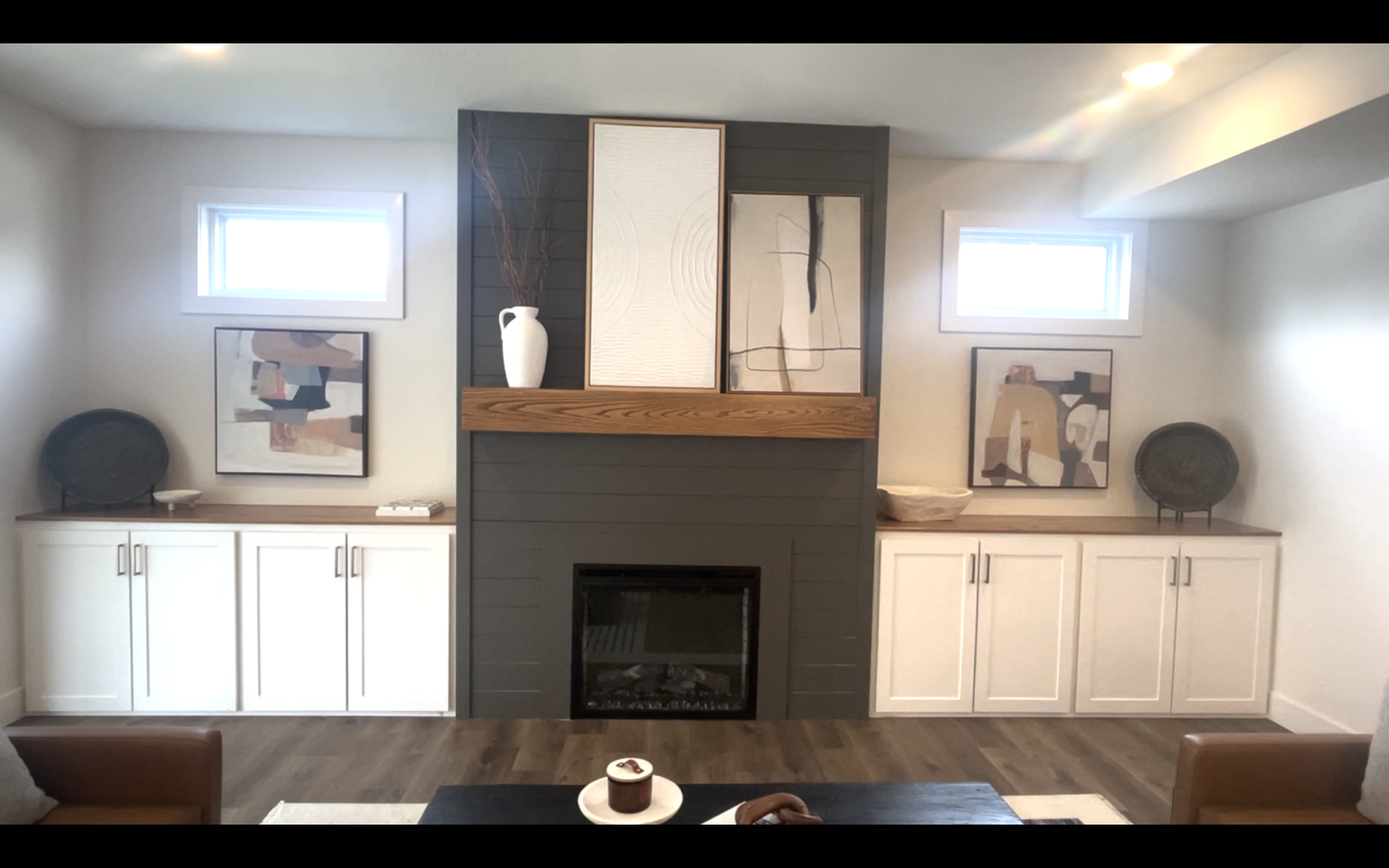
- Modern: For a contemporary look, opt for clean lines and a minimalist design. A linear fireplace with a sleek tile, concrete, or metal surround offers a sophisticated and understated elegance. “Frameless” designs that are flush with the wall are a popular choice for achieving a seamless look.
- Rustic: Embrace natural, raw materials to create a warm and inviting rustic centerpiece. A floor-to-ceiling fieldstone or river rock surround makes a bold statement. A thick, reclaimed wood beam used as a mantel enhances the organic, earthy feel, making it ideal for lodge, craftsman, or modern farmhouse designs.
Final Touches: Lighting, Rugs, and Decor
With the fireplace and furniture in place, the final layers of design will bring the room to life.
- Area Rugs: Use a large area rug to define the primary conversation area. The rug should be big enough so that at least the front legs of all furniture pieces in the grouping are on it. This visually connects the furniture and solidifies the zone.
- Lighting: Layer your lighting. In addition to general overhead light, add table lamps on end tables and floor lamps next to chairs. Wall sconces on either side of the fireplace can also add a beautiful, ambient glow.
- Decor: Keep mantel decor simple to avoid detracting from the fireplace itself. A large piece of art, a decorative mirror, or a few well-chosen objects are often all that is needed.
By thoughtfully designing your great room around a fireplace, you create more than just a beautiful space. You create a warm, inviting hub for your home—a place where memories are made and shared. It’s the perfect anchor for a room dedicated to living, laughing, and relaxing together.

FAQs: Designing the Perfect Great Room with a Fireplace
Q: Why is a fireplace a good focal point for a great room?
A: A fireplace naturally draws the eye and creates a warm, inviting atmosphere. It anchors the space, making it feel cohesive and purposeful.
Q: How should I arrange furniture around a fireplace?
A: Create a primary conversation zone by arranging seating in a U-shape or L-shape around the fireplace. Ensure clear pathways for traffic flow, leaving at least 30-36 inches for walkways.
Q: Should I mount the TV above the fireplace?
A: Mounting the TV above the fireplace saves space and creates a single focal wall. However, ensure the viewing angle is comfortable and the mantel protects the TV from heat.
Q: What are the pros and cons of placing the TV on an adjacent wall?
A: Placing the TV on an adjacent wall allows for a more ergonomic viewing height and keeps the fireplace as the primary feature. However, it may require creative furniture arrangements, such as an L-shaped sectional.
Q: What fireplace styles work best for different home designs?
A:
- Traditional: Brick or stone surrounds with wood mantels suit colonial, farmhouse, or classic homes.
- Modern: Sleek, minimalist designs with tile, concrete, or metal surrounds fit contemporary aesthetics.
- Rustic: Natural materials like fieldstone or reclaimed wood create a cozy, earthy feel for lodge or craftsman homes.
Q: How can I enhance the fireplace with decor?
A: Keep mantel decor simple with a large piece of art, a mirror, or a few curated objects. Add wall sconces for ambient lighting and use a large area rug to define the seating area.
Q: How do I ensure good traffic flow in the great room?
A: Leave clear pathways of at least 30-36 inches for major walkways. Avoid blocking access to adjoining spaces like the kitchen or dining room.
Q: What lighting works best in a great room with a fireplace?
A: Layered lighting is ideal. Combine overhead lights with table lamps, floor lamps, and wall sconces to create a warm, inviting ambiance.
Q: Can I have a floor-to-ceiling fireplace in a modern great room?
A: Absolutely! A floor-to-ceiling fireplace, especially with sleek materials like tile or concrete, can make a bold, modern statement while maintaining energy efficiency.