Key Takeaways
- Open layouts encourage family interaction but can amplify daily household noise.
- Traditional floor plans offer privacy and better sound control through defined rooms.
- Hybrid designs blend the best of both styles to fit your specific daily routine.
For years, open floor plans dominated custom home design. Kitchens flowed into living rooms, dining spaces disappeared into one large entertaining area, and walls practically vanished. Lately, you might be wondering if completely open living actually fits the way you live day to day.
In Columbia, you balance entertaining, remote work, growing households, and everyday functionality. The right floor plan depends less on online trends and more on how a home supports your routine long term.
Understanding the trade-offs of both open and traditional layouts helps you create spaces that feel intentional and comfortable for years to come. Let’s look at how to find the perfect layout for your family.
Why Floor Plan Design Matters Now
Homes serve more purposes than ever. The way your home feels day to day often comes down less to square footage and more to how the space is designed.
Your family likely needs spaces for various activities throughout the week. You need areas for entertaining friends, working from home without background distractions, and hosting guests comfortably. Layout directly impacts noise levels, natural light, and how traffic flows through your home.
The Appeal of an Open Floor Plan
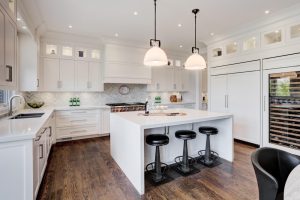
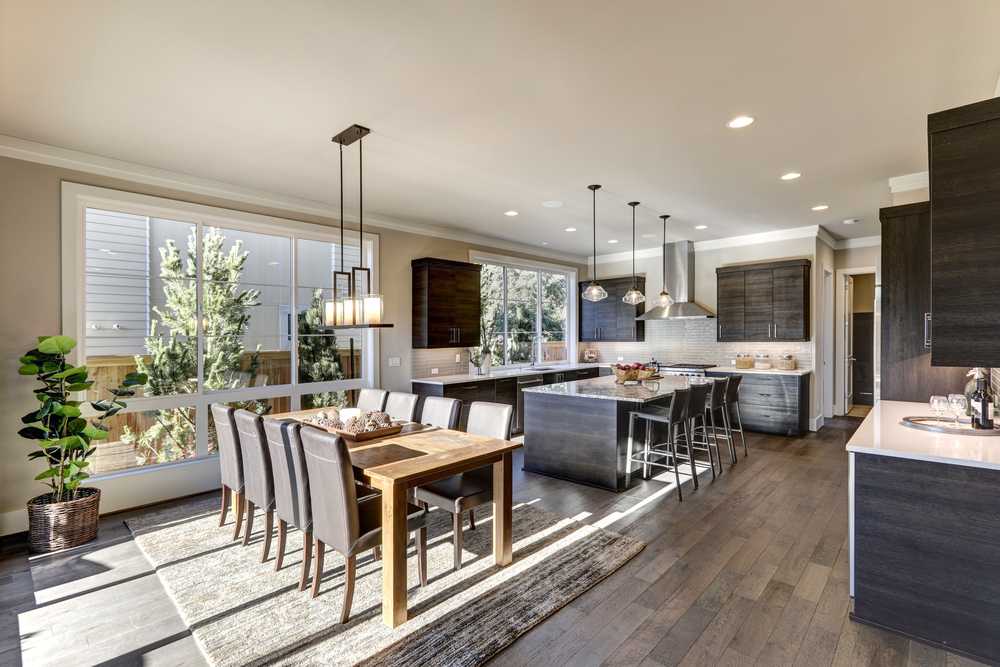
An open floor plan removes walls between your kitchen, dining, and living spaces. It creates a shared central gathering area. Many people love this layout because the kitchen becomes part of the experience instead of feeling separated from the rest of the house.
Benefits include:
- Better entertaining: Keep the conversation flowing with guests while you finish cooking.
- More natural light: Windows from multiple sides brighten the entire living space.
- Easier sightlines: Watch the kids play in the living room while you make dinner.
The Downsides of Fully Open Living
Sometimes an open concept sounds better in theory than in real life. When everyone is home at the same time, the lack of walls becomes very apparent.
Challenges to consider:
- Traveling noise: The television in the living room competes with the blender in the kitchen.
- Less privacy: Finding a quiet retreat for a phone call or focused work gets difficult.
- Visible clutter: A messy kitchen island is immediately visible from your front door.
Why Traditional Layouts Are Making a Comeback
Traditional layouts use defined rooms and clear separation between living spaces. They are not outdated. By putting walls back up, you gain intentional functionality that fits how modern families actually live.
Advantages include:
- Noise control: Close a door to keep the rest of the house quiet during a meeting.
- Work-from-home flexibility: Create a dedicated home office free from household traffic.
- Formal entertaining: Enjoy dinners in a distinct dining room away from cooking messes.
The Rise of the Hybrid Floor Plan
You do not have to choose extremes. Most families today want something right in the middle. We call this the hybrid floor plan. The best custom homes balance openness with intentional privacy. Think of it as having designated zones that still feel connected but give you the control you need.
We can add these features:
- Partial walls: Connect the kitchen to the living room but separate the main entryway.
- Wider openings: Use large cased openings for dining rooms instead of solid walls.
- Flex rooms: Install sliding doors for a space that shifts from a playroom to a quiet study.
Finding What Works for Columbia Lifestyles
The right layout depends on how you actually use your space. In Columbia, we have a unique mix of family-centered living, seasonal hosting, and wooded suburban lots.
Maybe you need a big open space for hosting Mizzou game days. Perhaps you need quiet zones for hybrid work schedules. Design your home around your actual calendar and the way your family moves through the week.
Questions to Ask Before Choosing Your Layout
A well-designed custom home should support your routines, not force you to adapt to the floor plan. Before finalizing a design, ask yourself these practical questions:
- How often do you entertain large groups?
- Do you work from home frequently?
- How important is shared natural light?
- Do you value flexibility for the future?
Designing Around the People Who Live There
Open floor plans are not automatically better, and traditional layouts are not outdated. The best homes are designed around you.
For Columbia families, that means finding the right balance between connection, comfort, privacy, and functionality. We recommend building a space that reflects your real lifestyle needs. Let’s talk. Our team can help you build a custom home you will love for years to come.

Frequently Asked Questions
Q: What is a hybrid floor plan?
A: A hybrid floor plan blends open concepts with defined rooms. It uses features like wider doorways, partial walls, and flex spaces to offer both family connection and intentional privacy.
Q: Does an open floor plan increase resale value?
A: Open layouts remain popular, but functional, well-designed traditional or hybrid homes also have strong resale appeal. Buyers increasingly look for dedicated office spaces and quiet zones.
Q: How can I reduce noise in an open floor plan?
A: You can use area rugs, heavy curtains, and acoustic ceiling treatments to absorb sound. We can also incorporate sliding pocket doors to close off specific areas when you need quiet.
Do you like this post? Check out Custom Mud Room Designs