Key Takeaways
- A scullery is a secondary workspace behind the main kitchen where appliances stay plugged in, dirty dishes hide, and meal prep happens without cluttering your showcase kitchen.
- Perfect for open-concept homes, sculleries solve the biggest problem of open floor plans by keeping the mess out of sight while maintaining the flow and connection you love.
- Requires thoughtful planning: You need adequate outlets for appliances, proper lighting, a seamless entrance (pocket door or hidden cabinet-style), and enough square footage—often 50-100+ square feet.
You know that feeling when you’re hosting a dinner party? The conversation is flowing, the wine is pouring, and everyone is having a great time. But then you glance over at your beautiful open-concept kitchen island, and it’s covered in dirty prep bowls, sauce splatters, and empty packaging. It’s a little buzzkill, isn’t it?
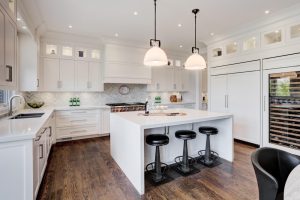
For years, we’ve been knocking down walls to create massive, open living spaces where the kitchen is the star of the show. And while we love the connection and flow of open-concept living, it comes with one major downside: the mess is on display for everyone to see. Enter the scullery.
This old-world concept is making a massive comeback right here in Columbia, and honestly, it might be the smartest design trend we’ve seen in years. If you’re planning a custom build with JJones Homes, you might just find that a “hidden kitchen” is exactly what your lifestyle needs.
What in the World is a Scullery?
If the word “scullery” makes you think of Downton Abbey and downstairs staff polishing silver, you aren’t entirely wrong. Historically, it was a small room off the kitchen used for washing dishes and dirty work.
But today’s modern scullery—sometimes called a “messy kitchen,” “prep kitchen,” or “back kitchen”, is a little different. It’s a secondary workspace tucked away behind the main kitchen. It’s where the hard work happens, so the main kitchen can stay pristine.
Think of your main kitchen as the showroom and the scullery as the engine room. The main kitchen is for plating appetizers, pouring drinks, and gathering around the island. The scullery is where you hide the toaster, stash the dirty dishes until morning, and keep the coffee grinder from waking up the whole house.
Why Columbia Homeowners Are Obsessed
We are seeing more and more requests for these hidden spaces in our custom builds, and for good reason. It’s not just a luxury for the sake of luxury; it’s about practical, stress-free living.
1. The “Open Concept” Savior
We all love open floor plans. They make our homes feel huge and welcoming. But when your kitchen is open to the living room, a messy counter ruins the vibe of the entire downstairs. A scullery gives you a place to tuck away the chaos. You can leave the dirty pots soaking in the back sink and enjoy your evening without staring at the mess.
2. Appliance Garage 2.0
Counter space is prime real estate. Do you really want your air fryer, blender, stand mixer, and toaster oven cluttering up your beautiful quartz island? A scullery is the perfect home for these workhorses. You can keep them plugged in and ready to use on a secondary counter, but completely out of sight. It keeps your main kitchen looking like a magazine spread, even if you just made toast and smoothies for five people.
3. Entertainment Central
If you love to host, a scullery is a game-changer. It acts as a staging area for caterers or just a place to prep the next course. You can keep the dessert trays hidden away until it’s time to serve, or set up a coffee station that doesn’t interfere with the main cooking zone. It allows you to be the host with the most, without the stress of managing a messy workspace in front of guests.
4. Bulk Buying Freedom
Sam’s Club runs are great until you have to figure out where to put 24 rolls of paper towels and a 10-pound bag of rice. Many sculleries double as oversized walk-in pantries. With floor-to-ceiling shelving, you have ample room to organize bulk items, keeping your main cabinets free for the dishes and glasses you use every day.
Designing Your Perfect Hidden Kitchen
So, you’re intrigued. But how do you actually design a scullery that works? It’s not just about adding a closet with a shelf. Here are a few practical tips we give our clients at JJones Homes.
Determine Your “Messy” Level
How will you use this space?
- The Storage Scullery: If it’s mostly for pantry items and small appliances, you need deep shelves and plenty of outlets.
- The Prep Scullery: If you plan to chop veggies and make sandwiches back there, you need counter space and good lighting.
- The Full Scullery: If you want to do actual cleanup, you’ll need a second sink (a deep farmhouse sink is great here!) and a second dishwasher.
Don’t Skimp on Power
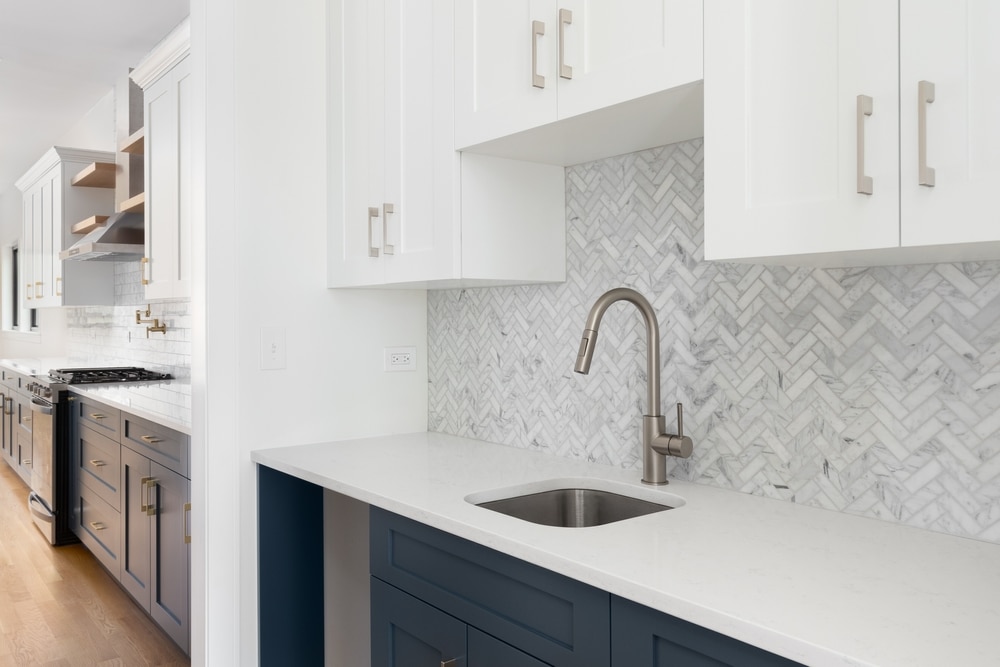
This is the number one mistake we see. If you’re moving your appliances to the scullery, you need outlets, lots of them. Plan for a strip of outlets along the backsplash so you can run the blender, toaster, and coffee maker simultaneously without playing musical plugs.
The Entrance Matters
The transition from the main kitchen to the scullery should be seamless. Many homeowners love the look of a “hidden door” that looks like a cabinet front. Others prefer a simple cased opening or a pocket door that can be closed when company comes over. The goal is easy access when you need it and total concealment when you don’t.
Lighting is Key
Just because it’s a “back kitchen” doesn’t mean it should be dark and dreary. Good task lighting is essential if you’re going to be measuring ingredients or washing dishes. Under-cabinet lighting is a great touch, and if the layout allows, a small window can make the space feel much more inviting.
Is a Scullery Right for You?
Adding a scullery does require square footage. It’s a trade-off. You might have to sacrifice a little space from the main kitchen, the dining area, or a mudroom to make it fit.
Ask yourself:
- Do I get stressed by visual clutter?
- Do I have a lot of countertop appliances?
- Do I host often?
- Do I wish I had a second sink or dishwasher during the holidays?
If you answered “yes” to most of these, a scullery isn’t just a trend for you—it’s a lifestyle upgrade.
Let’s Build Your Dream Kitchen (and the One Behind It)
At JJones Homes, we believe your home should work for you, not the other way around. Whether you want a full-blown catering kitchen hidden behind a secret door or just a super-functional walk-in pantry with a coffee bar, we can make it happen.
We know the Columbia market, and we know how to design floor plans that maximize value and functionality. Let’s sit down and look at your wish list. We’ll help you figure out if a scullery fits your budget and your blueprint.
Frequently Asked Questions
How much space does a scullery need?
A functional scullery typically requires 50-100 square feet minimum, though larger sculleries with sinks and dishwashers can be 120-150 square feet. The key is having enough room for counter space, storage, and comfortable movement. Even a 6×8-foot space can work as a basic pantry-style scullery with shelving and a small counter for appliances. During your design consultation with JJones Homes, the team can help determine the ideal size based on your intended use and available space.
What’s the difference between a scullery and a butler’s pantry?
While both are secondary kitchen spaces, they serve different purposes. A butler’s pantry is traditionally a pass-through between the kitchen and dining room, focused on serving and storing dishes, glassware, and serving pieces. A scullery (or messy kitchen) is more of a working space focused on food prep, appliance storage, and cleanup. Sculleries typically include more electrical outlets and workspace, while butler’s pantries emphasize glass-front cabinetry and display. Some modern homes combine elements of both.
Do I need a sink in my scullery?
It depends on how you’ll use the space. If your scullery is primarily for appliance storage and pantry items, a sink isn’t necessary. However, if you plan to do serious meal prep, wash dishes, or want a separate cleanup zone during entertaining, a deep farmhouse or utility sink is incredibly valuable. Many homeowners also add a second dishwasher in the scullery for holiday gatherings or large families. Discuss your cooking and entertaining habits with JJones Homes to determine what works best.
How much does it cost to add a scullery to a custom home?
Costs vary widely based on size and features. A basic scullery with shelving and outlets might add $5,000-$10,000 to your build. A mid-range scullery with custom cabinetry, countertops, and enhanced lighting runs $15,000-$25,000. A full scullery with a sink, dishwasher, additional appliances, and premium finishes can cost $30,000-$50,000+. The investment often pays off in daily convenience and can increase resale appeal, especially in higher-end Columbia homes.
What appliances should I plan for in my scullery?
Common scullery appliances include coffee makers, toasters, blenders, stand mixers, air fryers, electric kettles, food processors, slow cookers, and rice cookers. If space allows, some homeowners add a secondary refrigerator or beverage fridge, a microwave for reheating, or even a small cooktop for canning and preserving. The key is identifying which appliances clutter your main counters most and ensuring you have enough dedicated outlets (ideally 6-8 outlets minimum) to keep everything plugged in and ready to use.
What type of door works best for a scullery?
The three most popular options are:
- Pocket doors: Slide into the wall to save space, and can be closed to hide the mess during entertaining
- Hidden panel doors: Designed to look like cabinet fronts for a seamless, concealed appearance
- Cased openings: No door at all, just an open passage for constant, easy access
Your choice depends on whether you want to completely hide the scullery or prefer constant visibility and access. Many homeowners choose pocket doors for the flexibility to close off the space when guests arrive while keeping it open during daily use.
Will a scullery affect my home’s resale value?
In Columbia’s market, a well-designed scullery typically enhances resale value, especially in mid to high-end homes. Buyers appreciate the extra storage, organization, and functionality, particularly those who entertain or have families. However, the scullery should be proportionate to the home’s overall size and price point. A massive scullery in a modest home might not return your investment, while a thoughtfully designed one in a $400,000+ home is often seen as a premium feature. Work with JJones Homes to ensure the scullery fits naturally into your floor plan.
Can I add a scullery if I have a smaller kitchen?
Possibly, but it requires creative planning. In smaller homes, a compact scullery might be a 4×6 foot walk-in pantry with a small counter and outlets for appliances. The key is prioritizing your needs—if you’d rather have extra main kitchen space, a scullery might not be the best trade-off. However, if you struggle with countertop clutter and storage, even a small scullery can make a significant difference. JJones Homes can help you evaluate your floor plan to see if a compact scullery fits without compromising your main living areas.