Finding a piece of land that checks all your boxes—the trees, the views, the location—feels like a win. And it might be. But a lot that looks perfect on a Saturday afternoon drive can look very different once a builder starts asking the right questions.
The shape of the land, how water moves across it, where utilities are located, what zoning allows—all of these things affect what you can build and what it’ll cost to build it. A beautiful lot doesn’t automatically mean a straightforward or affordable building site.
That’s why the best time to involve your custom home builder is before you buy, not after. Bringing your builder into the conversation early gives you a clearer, more complete picture of what a property will actually take to develop—so you can make a confident decision rather than an expensive one.
Here are seven questions worth asking before you sign anything.
Key Takeaways
- A lot may be buildable but still limit the home design, size, or features you want
- Site preparation costs—clearing, grading, drainage—can vary dramatically between properties at similar price points
- Utilities, septic systems, and well requirements add real cost to rural or undeveloped land
- Zoning and HOA restrictions can affect everything from home size to exterior materials
- Lot topography can be an asset, not just a challenge, when paired with the right design
- Home placement on the lot affects natural light, views, energy efficiency, and outdoor living
- The land purchase price is only one part of your total project budget
1. Is This Lot Suitable for the Home I Want to Build?
The first question isn’t just “Can I build here?” It’s “Can I build what I want here?”
There’s a real difference between a lot that’s technically buildable and a lot that supports the home you’re envisioning. Before you fall in love with a piece of property, think through what your home actually needs:
- Home size and footprint: Does the usable area of the lot accommodate the square footage you’re planning?
- Number of stories: Would a two-story design work better given the terrain?
- Garage and driveway: Is there room to orient these the way you’d want?
- Basement potential: Does the grade support one?
- Outdoor living and pool: Is there space for a patio, yard, or future pool?
- Privacy and views: Does the lot’s position work for how you want to live?
The lot and the home design should be considered together. A good builder will help you understand how a property’s characteristics shape what’s possible—before you’ve committed to either.
2. What Site Preparation Will Be Required?
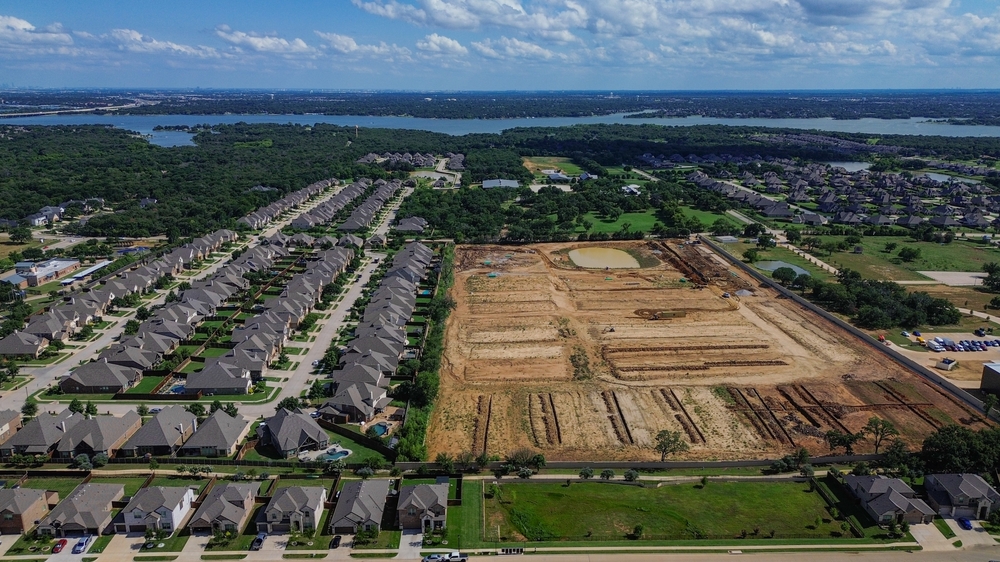
Two lots with similar purchase prices can carry dramatically different construction costs once you factor in what it takes to prepare the land.
Site work is one of the most variable line items in any custom home budget. Depending on the property, you might be looking at:
- Tree clearing: Heavily wooded lots require significant clearing before building can begin
- Grading and excavation: Moving earth to create a level building pad
- Rock removal: Common in areas with limestone or rocky terrain
- Retaining walls: Required on sloped lots to manage grade changes
- Soil stabilization: Clay soils, common in Mid-Missouri, can shift and settle in ways that affect foundation design
- Drainage improvements: Managing water runoff is critical, especially on lots with rolling terrain
None of these are deal-breakers on their own. But they need to be on your radar before you make an offer—not after you’ve already closed.
3. Are Utilities Available—and What Will It Cost to Connect Them?
This question surprises a lot of first-time lot buyers. Utilities aren’t always as simple as “they’re either there or they’re not.”
Before purchasing, find out:
- Water: Is public water available, or will the property require a well?
- Sewer: Is the lot connected to a municipal sewer system, or will you need a septic system?
- Electrical service: How far away is the nearest connection point?
- Natural gas: Is it available in this area?
- Internet: What options exist, especially for rural properties?
On a rural or undeveloped lot, you might need to budget for a well, a septic system, an electrical extension, or all three. These aren’t small numbers. Understanding them before purchasing prevents a lot—literally—from blowing your overall project budget.
4. Are There Zoning or HOA Restrictions That Could Affect My Plans?
The home you’re imagining may not be permitted on the property exactly as you’re imagining it.
Zoning regulations and HOA guidelines can affect:
- Setbacks: How close you can build to property lines
- Building size: Minimum and maximum square footage requirements
- Garage requirements: Some communities require a certain number of garage bays
- Exterior materials: Restrictions on siding, roofing, or finishes
- Accessory structures: Sheds, detached garages, or guest houses may be limited
- Fencing: Height, material, and placement rules
Columbia and the surrounding Mid-Missouri area include communities with varying development requirements. Local expertise matters here. A builder who knows the region can spot potential conflicts early and help you navigate them before they become problems.
5. How Does the Lot’s Topography Affect the Home?
Slope often gets a bad reputation among lot buyers. But a sloped lot isn’t necessarily a bad lot—it just needs to be understood.
The grade of a property affects:
- Foundation type: Flat lots often call for slab or crawl space foundations; sloped lots may support a walkout basement
- Driveway placement and design: A steep grade can make driveway access more complex
- Drainage: Water naturally follows the slope, which needs to be directed away from the home
- Landscaping: Terracing and grading add cost but can also create beautiful outdoor spaces
Here’s the upside: a sloped lot can actually open up design possibilities. Walkout basements, elevated views, interesting architectural details, and increased privacy are all more achievable on a lot with some topographic character. The goal isn’t to find the flattest lot—it’s to find a lot whose characteristics can work with the design rather than against it.
6. Where Should the Home Be Positioned on the Lot?
You’re not just buying land. You’re buying the setting for your home. And how that home sits on the property shapes how you’ll experience it every day.
Lot orientation affects more than you might think:
- Natural light: South-facing windows bring in more consistent sunlight throughout the day
- Energy efficiency: Smart placement reduces heating and cooling loads
- Views: Positioning living areas toward the best sightlines from the lot
- Privacy: Orienting the home away from roads or neighboring properties
- Outdoor living: Designing patios and outdoor spaces with desirable sun and shade patterns
- Mature trees: Strategic placement can preserve trees you love
A good builder can help you visualize how the home could sit on the lot before a single stake is driven. That kind of early thinking prevents regret later.
7. What Will This Lot Do to My Overall Budget?
This is the big one—and the one most buyers underestimate.
The purchase price of the lot is only one piece of the investment. Before buying, map out the full picture:
- Land cost
- Site preparation (clearing, grading, excavation)
- Utilities (well, septic, electrical extensions)
- Driveway construction
- Foundation requirements
- Retaining walls or drainage systems
- Landscaping
A “great deal” on land isn’t necessarily a great deal if it comes with $80,000 in site work. We recommend establishing your total project budget—home plus land plus site costs—before deciding how much you can spend on the lot itself. That order of operations changes everything.
Bonus: What Should I Bring to My Builder Before Buying?
The more information you can share, the better we can help you evaluate a property. If possible, bring:
- The property listing
- Survey and plat documents
- HOA documents and architectural guidelines
- Zoning information
- Soil or perc test results, if available
- Utility information
- Any inspection reports
You won’t always have everything on this list. That’s okay. Share what you have, and we’ll help identify what else is worth finding out before you move forward.
The Right Lot Doesn’t Have to Be Perfect
Buying the right lot is about finding a property that works with your home design, your lifestyle, and your budget—not just a location you love.
Talking with your custom home builder before you purchase land gives you the clearest possible picture of what a property will actually take to develop. From site preparation and utilities to zoning, topography, and home placement, that early conversation can turn a lot of unknowns into a confident, well-informed decision.
The right lot doesn’t have to be perfect. It simply needs to be the right fit for the home you want to build. Let’s talk before you sign.

Frequently Asked Questions
Q: How early in the lot search should I involve a custom home builder?
A: As early as possible—ideally before you make an offer. A builder can walk the property with you, flag potential site challenges, and help you understand the full cost of developing that specific lot. Bringing a builder in after closing means you’re working with what you have, not choosing the best fit.
Q: What’s the most commonly overlooked cost when buying a lot?
A: Site preparation. Buyers often focus on the land purchase price without accounting for what it costs to clear, grade, and prepare the land for construction. On a heavily wooded or sloped property, site work can add tens of thousands of dollars to the project budget—sometimes more.
Q: Can a sloped or irregularly shaped lot work for a custom home?
A: Yes. Sloped lots can actually create great opportunities—walkout basements, elevated views, more interesting architecture, and increased privacy are all easier to achieve with some topographic variation. The key is understanding the lot’s characteristics early so the home design can work with them, not around them.