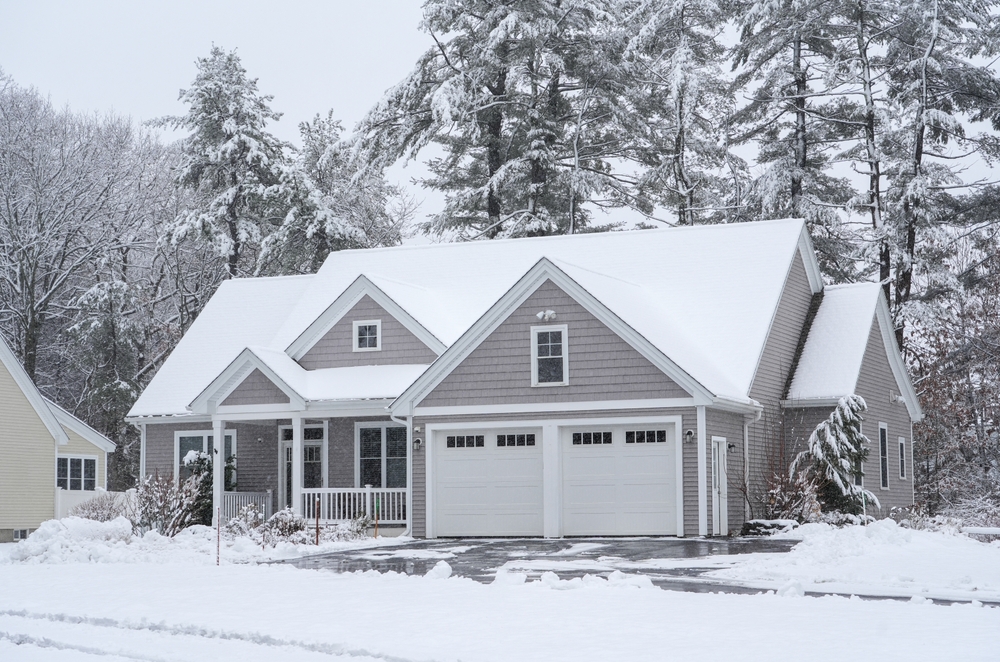
Missouri winters don’t follow a script. One week you’re wearing a light jacket, and the next you’re scraping ice off the driveway before sunrise. That unpredictability is exactly why winter comfort needs to be part of your home’s design from day one—not something you patch together after move-in.
The good news? A well-planned custom home handles cold weather without you having to think much about it. When insulation, windows, roofing, plumbing, heating, and entryways are all designed to work together, those cold Mid-Missouri months become a lot more manageable. This guide walks you through the features worth building in from the start, so your home is ready before the first frost arrives.
Key Takeaways
- Insulation is your home’s first line of defense against heat loss—invest in it early
- Windows and doors are common weak points; the right products and placement make a big difference
- Your HVAC system should be sized and designed for your specific floor plan, not just your square footage
- A well-designed mudroom keeps Missouri’s winter mess contained
- Pipe protection, roof design, and drainage all matter more than most people expect
- Exterior materials and home orientation are easy to overlook—and hard to fix later
Start With a Well-Insulated Home
Think of insulation as a thermos for your house. A good thermos keeps your coffee hot for hours with no extra effort. A well-insulated home does the same—keeping warmth in and cold out without putting constant pressure on your heating system.
Insulation isn’t just one thing. It’s a system that includes:
- Attic insulation: Heat rises, and without proper attic insulation, it disappears right through your roof
- Wall insulation: Well-insulated walls reduce heat transfer between your living spaces and the outdoors
- Basement and crawl-space insulation: These areas are often overlooked, but they’re a significant source of cold infiltration
- Air sealing: Gaps around outlets, plumbing, and framing can quietly drain energy all winter long
- Draft prevention: A home that’s properly sealed maintains a more consistent indoor temperature without working harder to do it
Better insulation means less heat loss, lower HVAC demand, and more consistent comfort throughout the house. Energy efficiency isn’t just about the furnace—it starts with the building envelope around it.
Choose Energy-Efficient Windows and Doors
Windows and exterior doors can be the biggest vulnerabilities in an otherwise well-built home. Poorly designed or improperly installed, they let heat escape and cold air creep in at the edges.
You don’t have to choose between great views and a warm house. The right products and thoughtful placement give you both. Features worth considering:
- Double- or triple-pane glass: Each additional pane adds a layer of insulation between you and the cold
- Low-E coatings: These reflect heat back into your home during winter without blocking natural light
- Quality weatherstripping: Even a small gap around a door frame can create a noticeable draft
- Proper installation: The best window in the world underperforms if it’s not installed correctly
- Insulated exterior doors: A solid, well-insulated door is a simple upgrade that pays off every winter
Large windows are popular in custom homes, and for good reason—they’re beautiful. The key is placing them strategically and choosing products built for Missouri’s climate.
Build a Heating System for the Home
A powerful furnace doesn’t automatically mean a comfortable home. Heating should be part of the conversation during the floor-plan and design stages, not an afterthought once the walls are up.
An oversized system short-cycles—it turns on and off too frequently, wearing itself out and creating uneven temperatures. An undersized one runs constantly and still can’t keep up on the coldest nights. The goal is a system designed for your home’s specific layout, size, and insulation level. That means thinking through:
- Proper HVAC sizing: Based on your actual floor plan, not just square footage
- Zoned heating: Different rooms have different needs—bedrooms and living spaces don’t always need to be the same temperature
- High-efficiency systems: Better efficiency means lower operating costs over the life of the home
- Smart thermostats: These let you manage temperatures by zone and schedule without thinking about it
- Proper ductwork: Even a well-sized system loses performance if the duct design doesn’t support it
The right heating system works with your home. That’s what makes it comfortable.
Don’t Overlook the Entryway
Snow, mud, salt, and wet boots don’t stop at your front door—not unless you design a space that catches them first.
A thoughtfully designed mudroom is one of the most practical features you can build into a Missouri home. It keeps winter mess contained and gives every member of the household a place to land when they come in from the cold:
- Durable, easy-clean flooring: Tile or sealed concrete holds up to wet boots and tracked-in salt
- Built-in storage: Hooks, cubbies, and shelving keep coats, bags, and gear off the floor
- Bench and boot storage: A dedicated spot to sit down and pull off wet boots makes a real difference on cold mornings
- Coat closets: Nearby closed storage keeps bulky winter gear organized and out of sight
A mudroom doesn’t have to be purely functional. Done well, it becomes a natural transition space that keeps the rest of your home cleaner all season long.
Protect Your Pipes Before Temperatures Drop
Frozen pipes are one of the most preventable winter problems in a new home—and one of the most disruptive when they happen. Proper planning during the design and build phases significantly reduces the risk.
Missouri’s temperature swings make this especially important. A cold snap that arrives fast and drops hard can stress plumbing that wasn’t designed with winter in mind. Here’s what good plumbing design accounts for:
- Keeping plumbing within conditioned spaces: Pipes that run through insulated interior walls are far less vulnerable than those in exterior walls or unheated spaces
- Insulating vulnerable plumbing: Any pipe that runs near an exterior wall or through an unconditioned area should be properly insulated
- Protecting exterior hose connections: Frost-free hose bibs are a small detail that saves a lot of headaches
- Thoughtful mechanical-room placement: Where your water heater and main lines are located matters for both protection and access
Plumbing design isn’t glamorous, but it’s one of those decisions you’ll appreciate every January.
Pay Attention to the Roof and Attic
Your roof does more than keep rain and snow off the house. It’s part of a larger system that manages moisture, supports energy performance, and protects the structure over time.
Roofing, insulation, and ventilation need to work together. Treating them as separate components is where problems start. A well-designed roof system includes:
- Quality roofing materials: Chosen for durability through repeated freeze-thaw cycles
- Proper flashing: Especially around chimneys, valleys, and roof penetrations where moisture can enter
- Adequate attic insulation: Supports the home’s overall thermal performance and helps prevent ice dams
- Proper ventilation: Prevents moisture buildup in the attic that can damage framing and reduce insulation effectiveness
Getting this right during construction is far easier—and less expensive—than addressing problems after the fact.
Think About Water and Drainage Before Winter Arrives
Water management is a year-round concern, but winter adds a few complications. Snow melts, ice forms in unexpected places, and water that has nowhere to go tends to find its way toward your foundation.
A home that manages water well is better prepared for whatever Missouri weather brings. That means thinking through:
- Proper grading: The ground around your home should slope away from the foundation, not toward it
- Gutters and downspouts: Sized and positioned to move water away from the house efficiently
- Driveway and walkway slope: Flat surfaces hold water, which freezes into ice
- Foundation drainage: Protecting against moisture infiltration during spring thaws
These details are much easier to get right during construction than to correct afterward.
Use Exterior Materials Built for Missouri’s Climate
Your home’s exterior faces a lot over a Missouri winter—freezing temperatures, thawing cycles, moisture, wind, and everything in between. The materials you choose need to hold up through all of it, year after year.
The best choice depends on your home’s design, your budget, and how much maintenance you’re willing to take on. A few materials that perform well in Missouri’s climate:
- Fiber cement siding: Durable, low-maintenance, and resistant to moisture and temperature swings
- Brick and stone: Excellent thermal mass and long-term durability
- Weather-resistant exterior finishes: Whatever material you choose, proper finishing and sealing matters
Talk through the tradeoffs with your builder. The right material for your home is the one that fits your design goals and holds up over time.
Let Your Home’s Orientation Work With the Sun
This is one of the most underused advantages of building a custom home. You have control over how your home sits on the lot—and that affects comfort and energy use more than most people realize.
Thoughtful orientation doesn’t mean designing your life around the sun. It just means being intentional about a few decisions:
- Southern-facing windows: South-facing glass captures passive solar heat during winter days
- Shading for summer: Roof overhangs or trees on the south and west sides can block summer sun without blocking winter light
- Living space placement: Positioning frequently used rooms to receive natural daylight reduces reliance on artificial lighting and heating
- Bedroom and guest room placement: Less-used spaces can face north or west without much impact on daily comfort
A custom home gives you the opportunity to think about how your property and the seasons interact. It’s worth taking.
Winter-Ready Doesn’t Mean Sacrificing Design
Here’s the thing about well-built, winter-ready homes: they don’t look different. They just perform better.
Every feature we’ve covered can be beautiful, functional, and energy-efficient at the same time. A fireplace becomes a focal point, not just a heat source. A mudroom becomes an intentional design moment. Efficient windows frame the views you built this home to enjoy. A well-insulated home can still have vaulted ceilings and large windows—it just has the right products and details behind them.
The best winter-ready homes don’t ask you to compromise. They’re simply designed to handle whatever Missouri throws at them.
Build Once, Build Right
Building a home that handles Missouri winters starts long before the first cold snap. From insulation and efficient windows to HVAC design, plumbing protection, drainage, and durable exterior materials—these decisions made early in the process are what make your home comfortable and efficient for decades.
Winter-proofing a custom home isn’t about preparing for one bad season. It’s about building something that performs well through all four Mid-Missouri seasons, year after year. When you get these details right from the start, you don’t have to think about them later. And that’s exactly the point.
Ready to start planning your custom home? Let’s talk through what winter-ready looks like for your specific lot, design, and budget.

Frequently Asked Questions
Q: How much does it cost to add winter-proofing features to a custom home?
A: Most winter-ready features—like upgraded insulation, energy-efficient windows, and proper HVAC sizing—aren’t add-ons. They’re built into good construction practice. The upfront investment varies depending on the specific products and systems you choose, but many of these upgrades reduce long-term energy costs, which offsets the initial difference over time. The most cost-effective approach is to make these decisions during the design phase, before construction begins.
Q: What’s the single most important winter-proofing feature in a Missouri home?
A: Insulation tends to have the broadest impact because it affects every other system in the house. A well-insulated home puts less demand on your heating system, keeps temperatures more consistent throughout the day, and reduces energy costs across all four seasons. That said, insulation works best as part of a complete building envelope—paired with quality windows, proper air sealing, and a correctly sized HVAC system.
Q: Can a custom home designed for winter comfort still have large windows and open layouts?
A: Yes. The two aren’t in conflict when the home is designed thoughtfully. High-performance windows with low-E coatings and proper glazing provide excellent insulation while still delivering natural light and views. Vaulted ceilings and open floor plans can work well in cold climates when the insulation, air sealing, and HVAC design account for them. The key is making these decisions together, early in the design process, rather than treating them as separate choices.