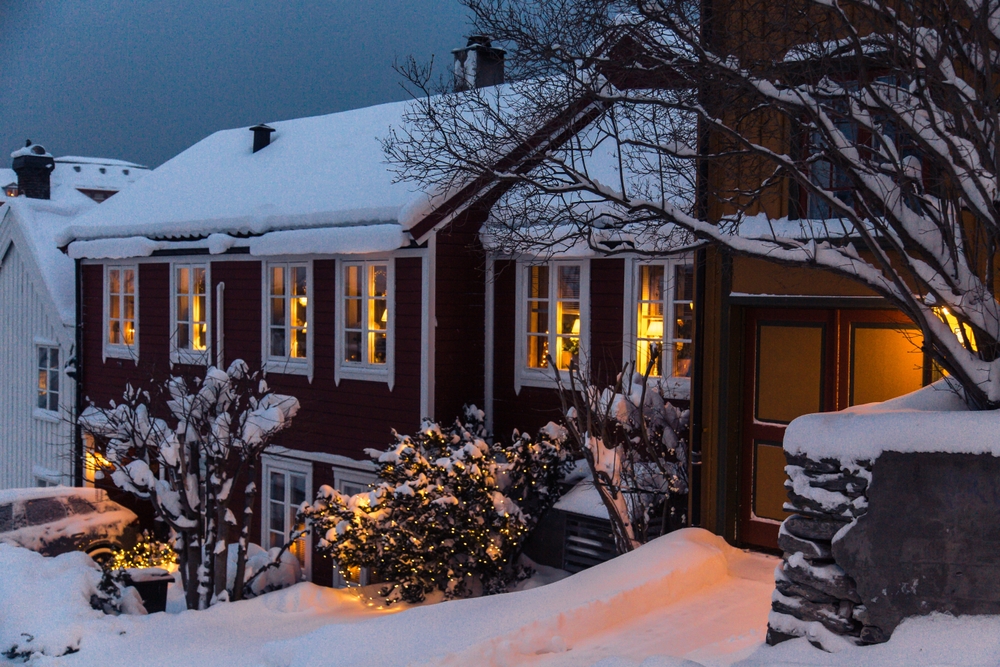
Missouri winters bring freezing temperatures, wind, snow and ice — and they should shape your home’s design from day one, not just its finishes. Thoughtful choices around insulation, windows, heating systems and entryways keep your home comfortable, efficient and ready for whatever the season brings.
If you’ve ever stood in a drafty hallway in January wondering why your furnace is working overtime, you already know: a home’s comfort isn’t decided by its paint color. It’s decided months earlier, at the drawing board.
Missouri winters aren’t gentle. One week you’re dealing with bitter wind chills, the next you’re watching ice creep across the driveway, and by March you might be back in a t-shirt. It’s easy to get swept up in choosing countertops and floor plans when you’re designing a custom home — but your local climate deserves a seat at that table from the very beginning.
The good news? Building for Missouri winters doesn’t mean overbuilding. It means making smart, practical choices that pay off every single day you live in your home, not just during the coldest week of the year.
Key Takeaways
- Insulation and air sealing work together as your home’s first line of defense against winter temperature swings.
- Energy-efficient windows and doors let in natural light without inviting in the cold.
- A properly sized, well-planned HVAC system keeps every room comfortable without wasting energy.
- A mudroom or drop zone near your entry protects your floors — and your sanity — all winter long.
- Roof design, drainage and attic ventilation help prevent ice dams and moisture problems.
- The best winter-ready features also perform well in Missouri’s hot, humid summers.
Start With Insulation and Air Sealing
Think of insulation as a thermos for your house. It slows down heat transfer, keeping warmth in when it’s cold outside and keeping it out when summer rolls back around. But a thermos only works if the lid is on tight — that’s where air sealing comes in.
Insulation and air sealing aren’t the same job, though they’re often lumped together. Insulation slows the transfer of heat through your walls, attic and floors. Air sealing stops unwanted air from sneaking in and out through gaps around windows, doors, attic access points and utility penetrations. You need both working together.
- Exterior walls and attics: These are your biggest opportunities for keeping conditioned air where it belongs.
- Windows and doors: Common culprits for drafts if they’re not properly sealed and installed.
- Utility penetrations: Small gaps around pipes and wiring can add up to a noticeable draft.
Here’s the part that surprises a lot of homeowners: your HVAC system isn’t the first line of defense against winter. Your building envelope is. A well-insulated, properly sealed home simply feels more comfortable — and it won’t ask as much of your furnace to get there.
Choose Windows and Doors With Performance in Mind
Big windows and a warm house aren’t mutually exclusive. You just have to choose them with intention.
Energy-efficient windows with the right U-factor and low-emissivity (low-E) coatings help manage heat loss without sacrificing the view. Where you place those windows matters too — it’s a balancing act between natural light, privacy, and avoiding cold spots near your favorite reading chair.
- U-factor and low-E coatings: Help regulate how much heat passes through the glass.
- Thoughtful placement: Brings in light and views without creating drafty corners.
- Weatherstripping and proper installation: Often make a bigger difference than the window itself.
Here in Mid-Missouri, we get plenty of bright, sunny winter days worth taking advantage of. The goal is to let that light in without letting the cold follow it inside.
Plan for an Efficient Heating System
A heating system works best when it’s designed for the house it’s actually serving — not just dropped in at the end of the process. That’s why HVAC planning should happen alongside your floor plan, not after it.
Bigger isn’t always better. An oversized system can actually make your home less comfortable, cycling on and off instead of maintaining a steady temperature. What matters more is sizing the system correctly for your home’s layout and insulation.
- Proper sizing: Matches your home’s layout and insulation, rather than just going bigger.
- Zoning: Lets you control temperatures differently in different areas of the house.
- Vent and return placement: Especially important in rooms with high ceilings or large windows.
Talk with your builder and HVAC contractor early about equipment efficiency, maintenance access and what it’ll cost to run over the long haul. It’s a conversation worth having before the walls go up.
Design an Entryway That Handles Mud, Snow and Ice
Nothing deflates a clean house faster than wet boots, dripping coats and a trail of road salt across your hardwood floors. A well-planned mudroom or drop zone near your most-used entrance solves that problem before it starts.
- Durable, easy-to-clean flooring: Stands up to wet shoes and salt without showing wear.
- A bench: Gives everyone a spot to sit down and pull off boots.
- Hooks, cubbies and closed storage: Keep coats, hats and gloves out of a pile on the floor.
- A spot for wet footwear: Keeps puddles contained to one place.
- Nearby outlets: Handy for charging devices or powering small accessories.
You don’t need a sprawling mudroom to make a real difference. Even a well-planned nook near the garage entry can save you from a winter’s worth of tracked-in mess.
Think Carefully About the Garage and Driveway
Your garage is more than storage for your car — it’s a sheltered buffer between a cold morning and your warm kitchen. Treating it that way during the design phase pays off every time you walk in from the cold.
- Adequate storage and lighting: Make the space functional, not just a place to park.
- Weatherstripping and a sealed interior door: Keep cold air from creeping into the house.
- Driveway slope and drainage: Help manage rain and melting snow before it turns to ice.
- Walkways with traction-friendly surfaces and good lighting: Make winter mornings safer.
Planning for winter really does start before you reach the front door.
Consider Roof Design, Drainage and Water Management
Your roof’s job is bigger than keeping rain out. It’s also responsible for managing snow, drainage and moisture throughout the year — and that starts with design decisions made long before shingles go on.
- Appropriate roofing materials and installation: Chosen for your home’s specific structure and local precipitation.
- Gutters and downspouts: Direct water away from your foundation, where it can cause real damage.
- Attic ventilation and insulation: Help regulate temperature and moisture inside your attic space.
One winter-specific concern worth understanding is ice dams. They form when heat escapes into the attic, melts snow on the roof, and that water refreezes at the eaves. Proper attic insulation, air sealing and ventilation all work together to reduce that risk. There’s no single roof shape or material that’s right for every Missouri home — it depends on your specific design and site.
Make Room for Natural Light and Comfortable Living
Shorter winter days make natural light feel more valuable than ever. Thoughtful window placement and room orientation can turn a gray afternoon into a bright, welcoming one.
- Window placement and room orientation: Bring daylight into the spaces where you spend the most time.
- Cozy gathering areas and reading nooks: Feel especially welcome when outdoor activities slow down.
- Layered lighting, including dimmable fixtures: Carry you through darker afternoons and evenings.
A winter-ready home shouldn’t just resist the cold — it should feel like somewhere you actually want to be when it’s fifteen degrees outside.
Don’t Forget Missouri’s Seasonal Swings
Winter is only part of the picture. Missouri homes also face hot, humid summers, spring storms and everything in between — which is why the smartest design choices work year-round, not just in January.
Durable materials, effective drainage, good ventilation and sound moisture management matter in every season. A covered porch or sheltered entryway, for example, keeps you dry in a snowstorm and shades you from summer sun just the same. The goal isn’t optimizing for winter alone — it’s building a home that performs well no matter what the calendar says.
Build for the Weather You Actually Live In
The features that make the biggest difference in winter are often the ones you’ll never think twice about — insulation, air sealing, a well-planned HVAC system, and smart water management. They work quietly in the background, which is exactly the point.
Smaller touches matter too. A mudroom by the back door or a sheltered entry near the garage can make daily life noticeably easier, winter after winter.
The best time to think through all of this is early, while changes are still simple to make. Let’s talk about what your Missouri winter means for your home design — before the first cold snap, not after.
Building a custom home in Columbia or Mid-Missouri means planning for all four seasons. J. Jones Homes can help you make thoughtful design decisions that support comfort, efficiency and everyday living — even when winter weather arrives.

FAQs
Does insulation alone keep a Missouri home warm in winter?
Not on its own. Insulation slows heat transfer, but it needs air sealing to stop drafts around windows, doors and utility penetrations. Together, they form your home’s first line of defense against winter temperature swings.
Can large windows still be energy-efficient in a cold climate?
Yes, when they’re chosen and installed with care. Energy-efficient glass with the right U-factor and low-E coatings, paired with proper weatherstripping, lets you enjoy natural light without creating cold spots near your windows.
What causes ice dams, and can they be prevented?
Ice dams form when attic heat melts snow on the roof, and that water refreezes at the eaves. Proper attic insulation, air sealing and ventilation all help reduce the risk, though no single roof design eliminates it entirely.